
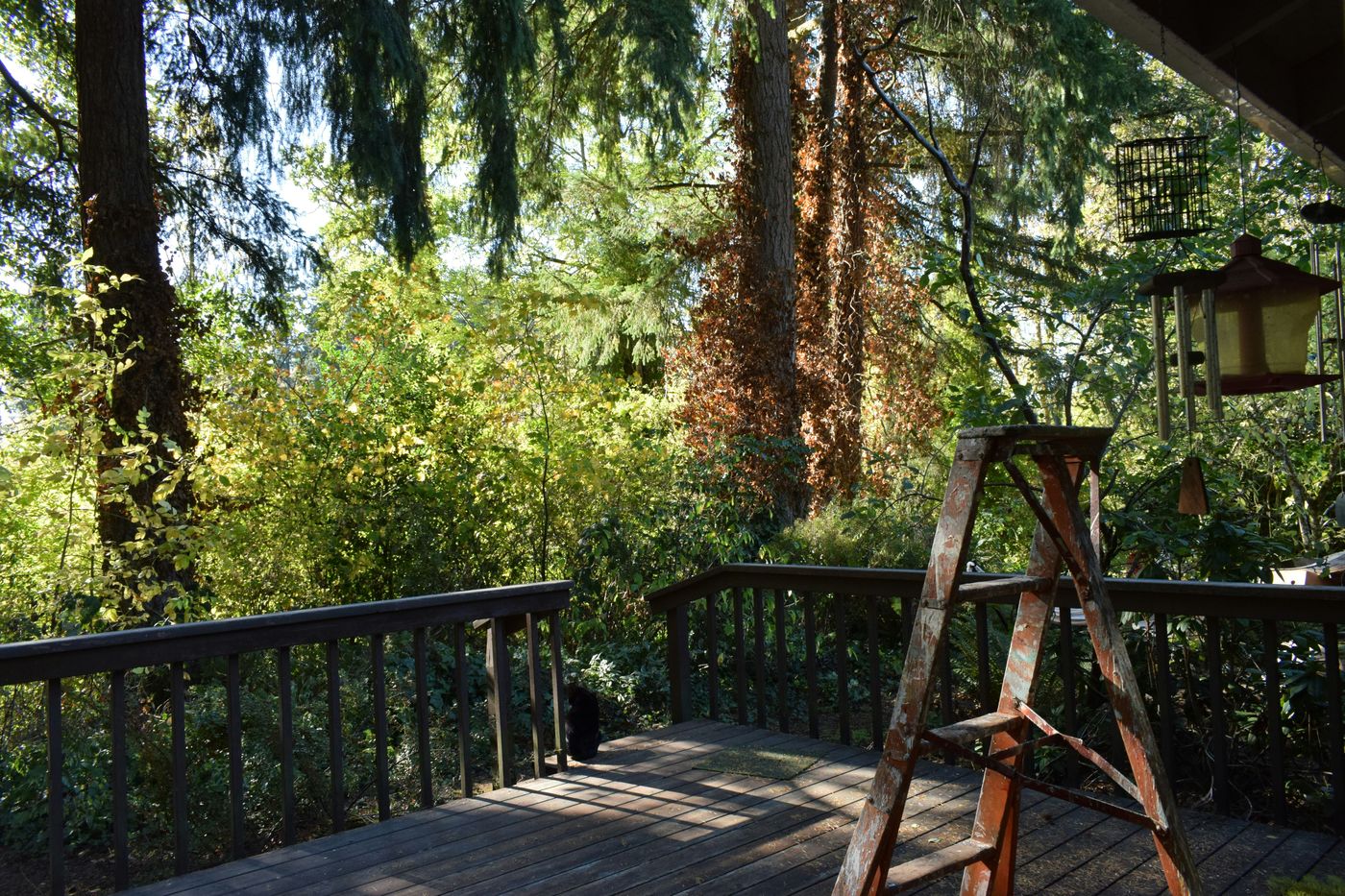
Understanding the deck staining process helps you make better decisions about protecting your outdoor investment. Many homeowners underestimate the importance of proper deck maintenance, leading to premature wood deterioration and costly repairs. This comprehensive guide covers everything you need to know about deck staining, from choosing the right products to professional application techniques.
Why Deck Staining Matters
Your deck represents a significant investment in your home's outdoor living space. Without proper protection, wood decks face constant assault from UV rays, moisture, temperature fluctuations, and regular foot traffic. These elements work together to break down wood fibers, leading to cracking, warping, discoloration, and eventually structural failure.
Professional deck staining creates a protective barrier that extends your deck's lifespan by 10-15 years while maintaining its beautiful appearance. A well-maintained stained deck also adds significant value to your home, with studies showing a 70-80% return on investment when selling.
The Cost of Neglect
Homeowners who skip regular deck maintenance often face expensive consequences. An unstained deck can require complete replacement within 10-15 years, costing tens of thousands of dollars. In contrast, regular staining maintenance is a fraction of replacement costs and keeps your deck looking its best year after year. Contact us for a free assessment and personalized quote.
Choosing the Right Stain
Selecting the appropriate stain for your deck depends on several factors, including the wood species, desired appearance, climate conditions, and maintenance preferences. Understanding the different stain types helps you make an informed decision.
Transparent Stains
Best for: New wood or wood in excellent condition where you want to showcase natural grain patterns. Transparent stains allow 100% of the wood grain to show through while providing basic UV protection. They require more frequent reapplication (every 1-2 years) but are easiest to maintain since they don't peel or flake.
Semi-Transparent Stains
Best for: Most residential decks. Semi-transparent stains offer the best balance of wood grain visibility and protection. They provide moderate UV protection and color while allowing 50-75% of the grain to show through. These stains typically last 2-3 years and are our most popular recommendation for homeowners.
Semi-Solid Stains
Best for: Older decks with minor imperfections to hide. Semi-solid stains provide more color coverage while still allowing some grain texture to show. They offer enhanced UV protection and last 3-4 years between applications.
Solid Stains
Best for: Older decks with significant wear, discoloration, or previous paint. Solid stains function like paint, completely covering the wood grain while providing maximum UV protection. They can last 4-5 years but may peel if not properly applied.
The Professional Staining Process
Professional deck staining involves multiple steps, each critical for achieving lasting results. Cutting corners on any step compromises the final outcome.
Step 1: Inspection and Assessment
Every professional job begins with a thorough inspection. We check for structural issues, loose boards, protruding nails, rot, and previous coating conditions. This assessment determines whether restoration is appropriate or if repairs are needed first.
Step 2: Power Washing
Using professional-grade equipment, we remove dirt, mildew, old finish, and gray oxidized wood fibers. Proper pressure settings are crucial—too much pressure damages wood, while too little fails to clean effectively. We use 500-1500 PSI depending on wood type and condition.
Step 3: Drying Period
Wood must reach appropriate moisture content before staining. We allow 48-72 hours of drying time in good weather conditions. Staining wet wood prevents proper penetration and leads to premature failure.
Step 4: Sanding
Power washing raises wood grain, creating a rough surface. Professional sanding with 80-120 grit creates a smooth base for optimal stain absorption. We pay special attention to high-traffic areas and railings.
Step 5: Stain Application
Using brushes, rollers, or sprayers (always back-brushed), we apply stain in thin, even coats. Multiple thin coats provide better penetration and longer-lasting results than one thick coat. End grains receive extra attention as they absorb more stain.
Step 6: Final Inspection
We inspect every surface for even coverage, missed spots, and proper curing. A final walkthrough with the homeowner ensures complete satisfaction.
Timing and Weather Considerations
Weather plays a crucial role in deck staining success. Even the best products fail when applied in poor conditions.
Ideal Conditions
- Temperature between 50-80°F (10-27°C)
- Humidity below 80%
- No rain expected for 24-48 hours
- Deck surface in shade during application
- No direct sunlight for several hours after application
Seasonal Considerations
Spring: Ideal time after winter damage can be assessed and repaired. Allow adequate drying time after spring rains.
Summer: Avoid hot, sunny days when stain dries too quickly. Early morning or evening application works best.
Fall: Excellent time before winter weather arrives. Ensure completion before temperatures drop below 50°F.
Winter: Not recommended for exterior staining in most climates.
Long-Term Maintenance Tips
Proper maintenance extends the life of your deck stain and keeps your deck looking beautiful year-round.
Regular Cleaning
Sweep your deck weekly to remove debris that holds moisture. Clean with mild soap and water twice per year—once in spring and once in fall. Avoid harsh chemicals that strip stain prematurely.
Spot Treatment
Address spills immediately, especially grease, food, and plant materials. These can stain wood permanently if left untreated. Keep touch-up stain available for minor repairs.
Furniture Protection
Use felt pads or plastic caps under furniture legs. Move planters periodically to prevent moisture damage. Consider using outdoor rugs in high-traffic areas.
Annual Inspection
Each spring, inspect your deck for signs of wear, including fading, peeling, or water absorption. Early intervention prevents major restoration needs.
Water Bead Test
Sprinkle water on your deck surface. If it beads up, your stain is still protecting. If water absorbs quickly, it's time to restain. This simple test helps you time maintenance perfectly.
Frequently Asked Questions
How often should I restain my deck?
Most decks require restaining every 2-4 years, depending on the type of stain used, sun exposure, foot traffic, and weather conditions. Transparent stains may need reapplication annually, while solid stains can last 4-5 years.
Can I stain over old stain without stripping?
It depends on the condition of the existing stain. If the old stain is peeling or flaking, it must be stripped first. If it's faded but still adhering, you may be able to clean and restain directly. A professional assessment is recommended.
What's the best time of year to stain a deck?
Late spring and early fall offer ideal conditions for deck staining. Temperatures between 50-80°F with low humidity and no rain expected for 24-48 hours provide optimal conditions for stain penetration and curing.
How long does professional deck staining take?
A typical residential deck takes 1-3 days to complete, including power washing, drying time, sanding, and stain application. Larger or more damaged decks may require additional time.
What's the difference between deck stain and deck sealer?
Deck stain contains pigments that add color and provide UV protection, while sealers are typically clear and protect against moisture only. Many modern stains include sealing properties, offering comprehensive protection.
Get Your Free Quote
Fill out the form below and we'll get back to you within 24 hours with a personalized quote for your property.