
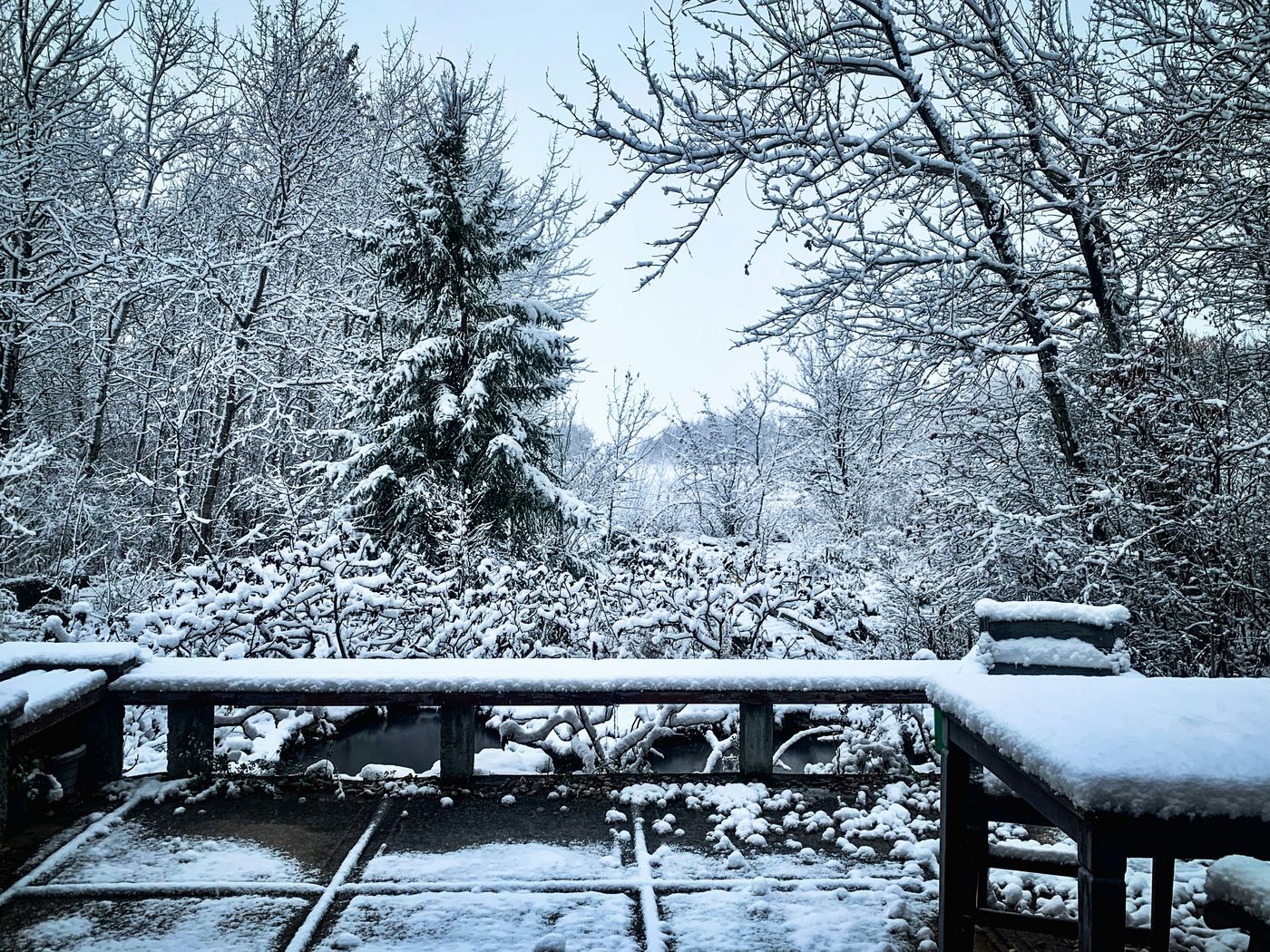
Standing on an aging deck, many homeowners face the same question: restore or replace? This decision involves more than comparing price tags. Understanding structural integrity, restoration potential, long-term value, and your specific goals leads to the right choice for your situation.
The Big Decision
Your deck has served your family well for years, hosting barbecues, quiet mornings with coffee, and countless memories. Now you're noticing weathered boards, faded color, and maybe some concerning soft spots. The question isn't whether to act—it's what action makes the most sense.
This decision significantly impacts your budget, timeline, and outdoor living enjoyment for years to come. Let's examine the factors that should guide your choice.
Signs Your Deck Can Be Restored
Restoration makes sense when underlying structure remains sound and surface issues are cosmetic rather than structural. Here's what to look for:
Surface Issues Only
Fading, discoloration, minor staining, and gray weathered appearance indicate surface damage that restoration can address. These cosmetic issues don't compromise structural integrity and respond well to power washing, sanding, and refinishing.
Solid Structural Framework
Test your deck's structure by inserting a screwdriver into posts, joists, and beams where they meet. Sound wood resists penetration. Walk the entire deck, noting any excessive bounce or unusual movement. If the framework feels solid and stable, restoration is viable.
Limited Board Damage
A few damaged or rotted decking boards don't mandate full replacement. Individual boards can be replaced as part of a restoration project. If damage affects less than 25% of decking, restoration typically makes financial sense.
Secure Railings and Stairs
Test every railing post by pushing firmly. Wobbly railings indicate potential structural issues but can often be repaired. Stair stringers should show no signs of rot or splitting. Minor railing and stair repairs complement restoration work.
Signs You Need Replacement
Some conditions make restoration impractical or unsafe. Recognizing these signs prevents wasting money on a deck that needs replacement.
Structural Rot
Soft, spongy wood in posts, joists, ledger boards, or beams indicates serious rot requiring replacement. This is especially critical where the deck attaches to your house—ledger board rot can cause catastrophic collapse and home damage.
Widespread Board Damage
When more than 25-30% of decking boards show significant damage, replacement costs approach restoration costs while providing entirely new materials. At this threshold, replacement offers better value.
Foundation Problems
Settling, shifting, or cracking footings compromise the entire structure. These foundational issues require demolition and proper engineering for safe replacement. No amount of surface restoration addresses foundation problems.
Code Violations
Older decks often don't meet current building codes, particularly regarding railing height, spindle spacing, and structural connections. If you're planning to sell your home, code compliance matters. Replacement offers the opportunity to build to current standards.
Lifestyle Changes
Sometimes the best reason to replace is opportunity. If your current deck doesn't suit your needs—too small, poor layout, wrong materials—replacement lets you design the outdoor space you actually want.
Cost Comparison
Understanding the general cost difference helps make an informed decision. While every project is unique, here's how restoration and replacement compare.
Professional Restoration Costs
Professional restoration—including power washing, sanding, and staining—is a fraction of the cost of full deck replacement. Depending on the size, condition, and scope of your project, restoration typically runs significantly less than rebuilding from scratch. Most residential deck restoration projects are completed at a predictable, transparent price with no hidden fees. Contact us for a free, no-obligation quote tailored to your specific deck.
Deck Replacement Costs
Full deck replacement is a major construction project. Depending on materials—pressure-treated lumber, cedar, or composite—replacement costs can easily reach 5 to 10 times the cost of professional restoration for the same deck. When you factor in demolition, disposal, permits, and construction time, the difference becomes even more significant.
ROI Analysis
Beyond immediate costs, consider return on investment and long-term value.
Restoration ROI
Restoration costs a small fraction of replacement while extending your deck's life by 5-10 years. If your deck's structure is still sound, restoration delivers exceptional value—you get a like-new deck at a fraction of the price. It's one of the highest-return home maintenance investments you can make.
Replacement ROI
New deck construction returns a significant portion of cost when selling, according to industry reports. Composite decks typically return higher percentages than wood. Beyond resale, a new deck provides 20-30 years of enjoyment—but comes at a much higher upfront investment.
The Smart Rule
Here's a useful guideline: if your deck's structure is sound and the surface just needs a refresh, restoration almost always makes better financial sense. When structural issues are widespread, replacement becomes the smarter investment. A professional inspection takes the guesswork out of this decision.
Making Your Decision
Consider these factors when making your final decision:
- Budget: What can you comfortably invest right now?
- Timeline: Restoration completes in days; replacement takes weeks
- Future Plans: How long will you own this home?
- Current Condition: Is the structure truly sound?
- Lifestyle Needs: Does your current deck serve your needs?
When in doubt, schedule a professional inspection. Beaver Wood Restoration provides honest assessments—we'll tell you candidly whether your deck is a restoration candidate or if replacement makes more sense. Contact us for a free evaluation and let the facts guide your decision.
Frequently Asked Questions
How do I know if my deck's structure is still sound?
Push a screwdriver into posts, joists, and beams—especially where they meet. Sound wood resists penetration. If the screwdriver sinks easily, you have rot. Also check for insect damage, unusual bouncing, and visible cracks at connections.
Can a partially rotted deck be restored?
Yes, if rot is localized. Individual boards, even some structural members, can be replaced during restoration. However, if rot is widespread or affects the ledger board connection, replacement is usually more cost-effective.
Does deck restoration include structural repairs?
Basic restoration focuses on decking surfaces. However, professional services like ours assess structural integrity and can incorporate necessary repairs into the restoration process for comprehensive results.
What's the average lifespan of a restored deck vs. a new deck?
A properly restored deck extends life by 5-10 years depending on current condition. A new pressure-treated deck lasts 15-20 years; composite decks last 25-30 years. Both require ongoing maintenance.
Get Your Free Quote
Tell us about your project — we get back within 1 business day with honest pricing.