
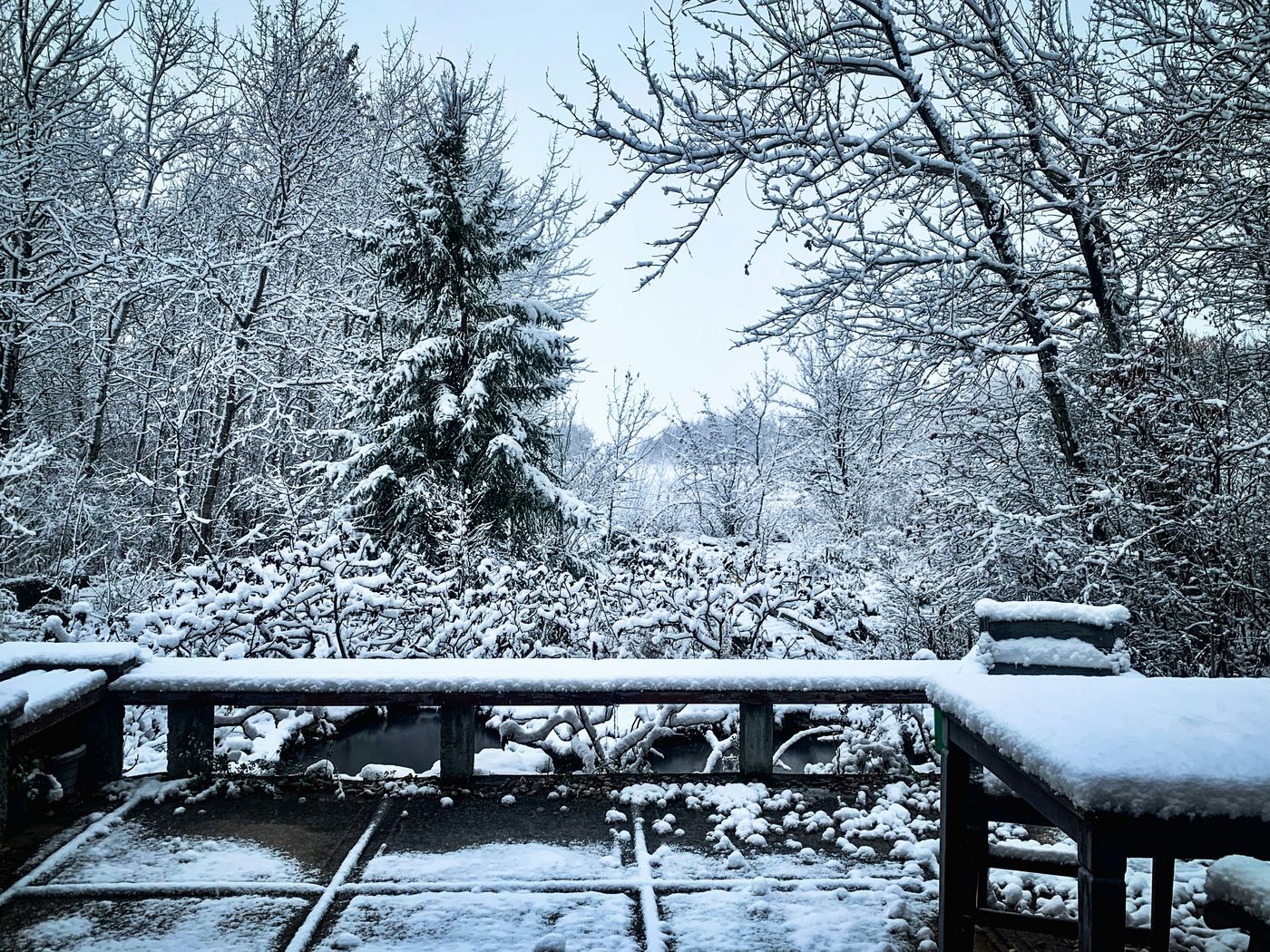
Canadian winters test every exterior surface on your property. Wood, despite its durability, faces particular challenges from freezing temperatures, ice, snow accumulation, and repeated freeze-thaw cycles. Proper winter care protects your investment and prevents costly spring repairs. This guide covers everything you need to know about winter wood maintenance.
Winter Challenges for Wood
Understanding how winter affects wood helps you protect your outdoor surfaces effectively. Several mechanisms cause winter damage.
Freeze-Thaw Cycles
Water expands approximately 9% when freezing. Moisture absorbed into wood cells expands during freezing, breaking cell walls from within. Repeated freeze-thaw cycles accumulate this damage, leading to checking, cracking, and surface degradation.
Ice Dams
Snow accumulation followed by partial melting and refreezing creates ice dams that trap standing water. This prolonged moisture exposure penetrates even sealed surfaces, causing rot and finish failure.
Snow Load
Heavy snow accumulation adds structural stress to decks, pergolas, and other horizontal surfaces. While properly built structures handle normal snow loads, excessive accumulation or wet, heavy snow can exceed design limits.
Chemical Damage
De-icing chemicals, particularly sodium chloride (rock salt), damage wood by drawing moisture and creating chemical reactions that break down wood fibers. Even calcium chloride, though gentler, affects wood when used repeatedly.
Pre-Winter Preparation
Actions taken before winter arrives prevent most seasonal damage. This checklist ensures your wood surfaces face winter in optimal condition.
Complete Maintenance Projects
Finish all staining, sealing, and repair projects before temperatures drop below 50°F. Most finishes require temperatures above this threshold for proper curing. Uncured finishes won't protect and may fail entirely.
Thorough Cleaning
Remove all debris, leaves, and organic matter from deck surfaces, especially in joints and corners. Trapped debris holds moisture against wood throughout winter, promoting rot and mildew growth.
Clear Drainage
Ensure gaps between deck boards are clear for water drainage. Check that water flows away from the house and doesn't pool on deck surfaces. Improve drainage before snow arrives.
Apply Fresh Finish
If your deck's finish is due for renewal, complete the project in early fall. Fresh finish provides maximum protection through winter. Don't apply finish too late in the season—it needs time to cure before cold weather.
Snow and Ice Management
How you handle snow and ice throughout winter significantly affects spring condition. Proper technique prevents damage while maintaining safe access.
Snow Removal
- Remove snow promptly before it compacts into ice
- Use plastic shovels—metal edges scratch and gouge wood
- Shovel with the grain direction when possible
- Leave a thin layer rather than scraping to bare wood
- Avoid heavy snow blowers that can damage decking
Ice Management
- Never use: Rock salt, sodium chloride, or calcium chloride directly on wood
- Safe options: Sand (provides traction without chemical damage), calcium magnesium acetate (CMA), deck-safe commercial products
- Best practice: Remove snow before it becomes ice; prevention beats treatment
Moisture Control
Moisture is winter's primary damage mechanism. Controlling moisture exposure protects wood from freeze-thaw damage, rot, and finish failure.
Prevent Standing Water
Never allow water to pool on wood surfaces. Clear snow banks away from deck edges where meltwater could accumulate. Check that drainage paths remain clear throughout winter.
Maintain Air Circulation
Don't block air flow under decks with snow banks or stored items. Air circulation promotes drying and prevents moisture accumulation. Keep under-deck areas accessible.
Address Ice Dams
If ice dams form, carefully remove them with warm water or gentle chipping. Don't use sharp tools or excessive force. Better yet, prevent dams by keeping surfaces clear of snow accumulation.
Planning for Spring
Winter is the perfect time to plan spring restoration projects. Assessment and planning now means immediate action when weather permits.
Assess Current Condition
During mild winter days, inspect your deck for damage. Note areas requiring attention—loose boards, failing finish, structural concerns. Document issues with photos for reference.
Schedule Professional Service
Spring is busy season for wood restoration. Schedule service in late winter to secure early spring appointments. Early service provides maximum protection before summer use.
Budget Planning
Use winter months to budget for necessary work. Get quotes during the slow season when contractors have more time for thorough assessments. Planning prevents rushed decisions.
Beaver Wood Restoration offers winter assessments and spring scheduling. Contact us to plan your deck's restoration before the spring rush.
Frequently Asked Questions
Can I stain my deck in winter?
Most stains require temperatures above 50°F (10°C) for proper curing. Winter application in Canadian climates isn't recommended. Plan staining projects for late spring or early fall when temperatures are ideal.
Is salt safe to use on my wooden deck?
No. Salt damages wood fibers and accelerates deterioration. Use calcium magnesium acetate (CMA) or sand for traction on wooden surfaces. Some commercial ice melters specify deck-safe formulations.
Should I cover my deck for winter?
Covering isn't necessary and can trap moisture, promoting mold growth. Ensure good drainage and keep the surface clear of debris. Properly sealed wood handles winter exposure well.
What causes those white marks on my deck after winter?
White marks typically indicate moisture damage from trapped water or improper de-icer use. They may also result from finish failure. Professional assessment determines whether cleaning, sanding, or refinishing is needed.
Get Your Free Quote
Tell us about your project — we get back within 1 business day with honest pricing.