
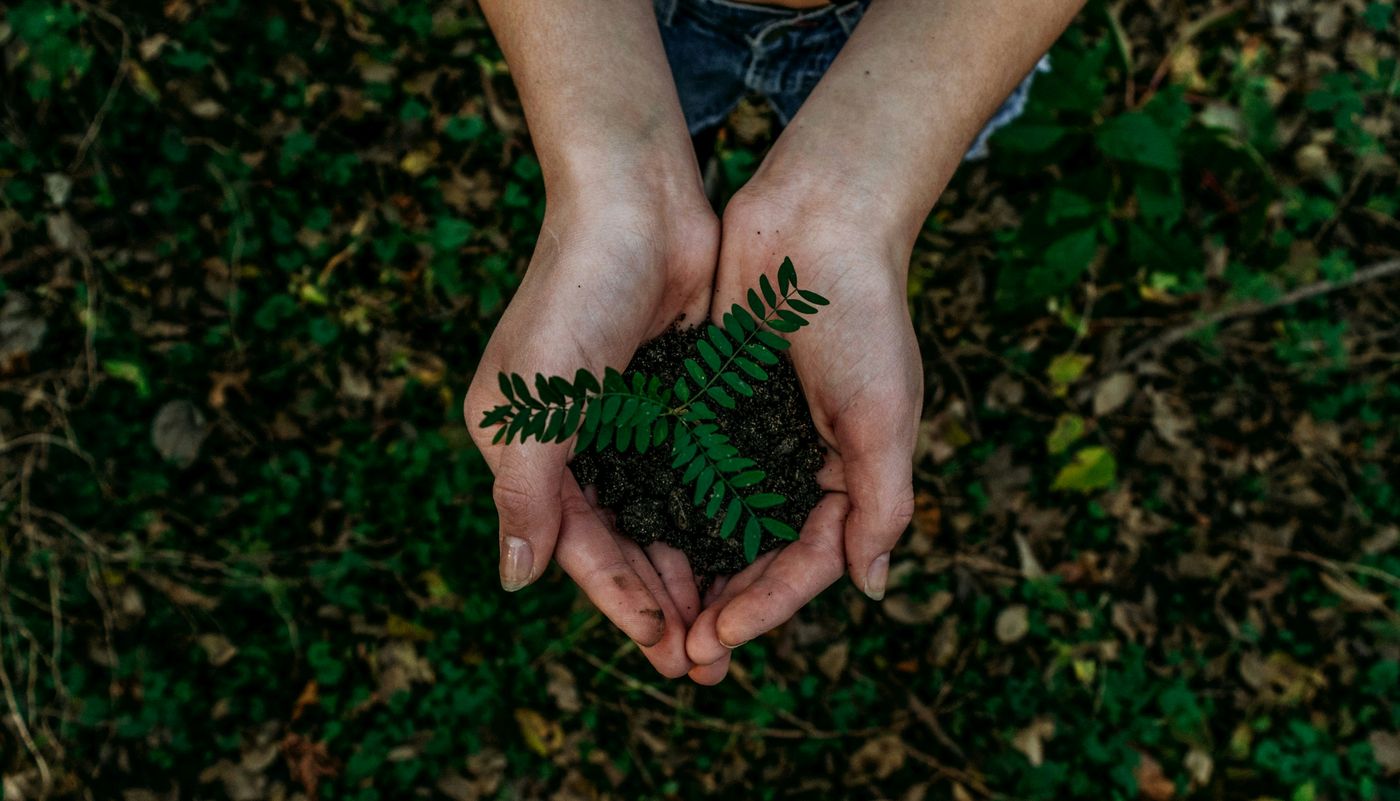
Environmental responsibility and beautiful wood surfaces are not mutually exclusive. Modern eco-friendly products and techniques deliver professional results while protecting ecosystems, air quality, and family health. Understanding green restoration options helps you make choices aligned with your values.
Why Choose Eco-Friendly?
Environmental considerations extend beyond personal preference. Understanding the real-world impacts of restoration choices motivates meaningful change.
Air Quality
Traditional wood finishes release volatile organic compounds (VOCs) that contribute to smog formation and indoor air pollution. These chemicals cause headaches, respiratory irritation, and long-term health concerns. Low-VOC products protect families and communities.
Water Protection
Runoff from cleaning and finishing operations can contaminate soil and waterways. Toxic cleaning chemicals harm aquatic ecosystems. Eco-friendly products minimize water pollution risk while achieving excellent results.
Worker Safety
Professional applicators face repeated exposure to finishing products. Eco-friendly formulations reduce health risks for workers who apply these products daily. Choosing green products supports worker wellbeing.
Resource Conservation
Restoration itself is inherently eco-friendly—it extends the life of existing materials rather than requiring new resource extraction and manufacturing. Every restored deck represents trees that didn't need to be harvested.
Low-VOC Products
Volatile organic compounds evaporate from finishes during and after application, creating air quality concerns. Low-VOC products minimize these emissions.
Water-Based Finishes
Modern water-based stains and sealers have largely overcome earlier performance limitations. They offer:
- VOC levels 50-90% lower than oil-based products
- Quick drying times (2-4 hours vs. 24+ hours)
- Easy soap-and-water cleanup
- Minimal odor during and after application
- Non-yellowing clarity that maintains true color
Understanding VOC Levels
- High VOC: >250 grams/liter (traditional oil-based)
- Low VOC: <250 grams/liter (most water-based)
- Very Low VOC: <50 grams/liter (premium eco products)
- Zero VOC: <5 grams/liter (best available technology)
Natural Oil Finishes
Plant-derived oils offer time-tested wood protection with minimal environmental impact. These traditional finishes are experiencing renewed popularity.
Tung Oil
Pressed from tung tree nuts, pure tung oil penetrates deeply and cures to a water-resistant finish. It's food-safe, non-toxic, and enhances wood's natural beauty. Multiple thin coats build excellent protection.
Linseed Oil
Derived from flax seeds, linseed oil has protected wood for centuries. Raw linseed oil cures slowly but produces beautiful results. "Boiled" linseed oil contains drying agents—check for eco-friendly formulations.
Natural Oil Blends
Many manufacturers offer proprietary blends combining various plant oils, natural waxes, and eco-friendly drying agents. These products balance natural ingredients with practical performance.
Application Considerations
Natural oils require bare wood for proper penetration. They're ideal for new construction or stripped/sanded surfaces. Maintenance involves periodic re-oiling rather than stripping and refinishing.
Eco-Friendly Cleaning
Cleaning products often represent the largest environmental impact of restoration projects. Green alternatives deliver excellent cleaning without ecological harm.
Oxygen Bleach
Sodium percarbonate (oxygen bleach) breaks down to water, oxygen, and natural soda ash. It's safe for plants, waterways, and septic systems. Effective on mildew, algae, and organic stains.
Citrus-Based Cleaners
D-limonene from citrus peels provides excellent degreasing and cleaning power. These products biodegrade quickly and leave pleasant rather than chemical odors. Effective for grease and oil stains.
Enzyme Cleaners
Biological enzyme cleaners digest organic matter without harsh chemicals. They're especially effective for removing biological stains and preventing mildew regrowth. Safe for all surfaces and environments.
Restoration vs. Replacement
The most significant environmental choice is restoration itself. Understanding the environmental calculus reinforces this decision.
Embodied Energy
Your existing deck represents significant energy invested in harvesting, milling, transporting, and installing lumber. Restoration preserves this embodied energy investment. Replacement discards it.
Waste Reduction
Deck demolition generates substantial landfill waste. Treated lumber requires special disposal. Restoration eliminates this waste stream entirely while extending useful life.
Forest Impact
Every restored deck represents demand for new lumber that doesn't happen. While sustainable forestry has improved, reducing demand still benefits forest ecosystems and carbon sequestration.
The Green Choice
When your deck's structure remains sound, restoration is always the greener choice. Combined with eco-friendly products, restoration represents responsible stewardship of both your property and the planet.
Beaver Wood Restoration offers eco-friendly options for environmentally conscious homeowners. Contact us to discuss green restoration approaches for your property.
Frequently Asked Questions
Are eco-friendly finishes as durable as traditional products?
Modern eco-friendly products perform comparably to traditional finishes. Advances in water-based technology have eliminated most performance gaps. Some natural oil finishes actually penetrate better than film-forming products.
Do eco-friendly products cost more?
Premium eco-friendly products may cost 10-20% more than conventional options. However, when considering health benefits, environmental impact, and often easier application, the value equation favors green products.
Can I use eco-friendly products over existing conventional finishes?
Compatibility varies. Water-based finishes generally adhere well over properly prepared conventional finishes. Natural oils require bare wood. Professional assessment ensures compatibility for your specific situation.
What certifications indicate truly eco-friendly products?
Look for Green Seal, GREENGUARD, or EcoLogo certifications. EPA's Safer Choice label indicates reduced environmental impact. Low or zero VOC claims should be verified against actual product data sheets.
Get Your Free Quote
Fill out the form below and we'll get back to you within 24 hours with a personalized quote for your property.