
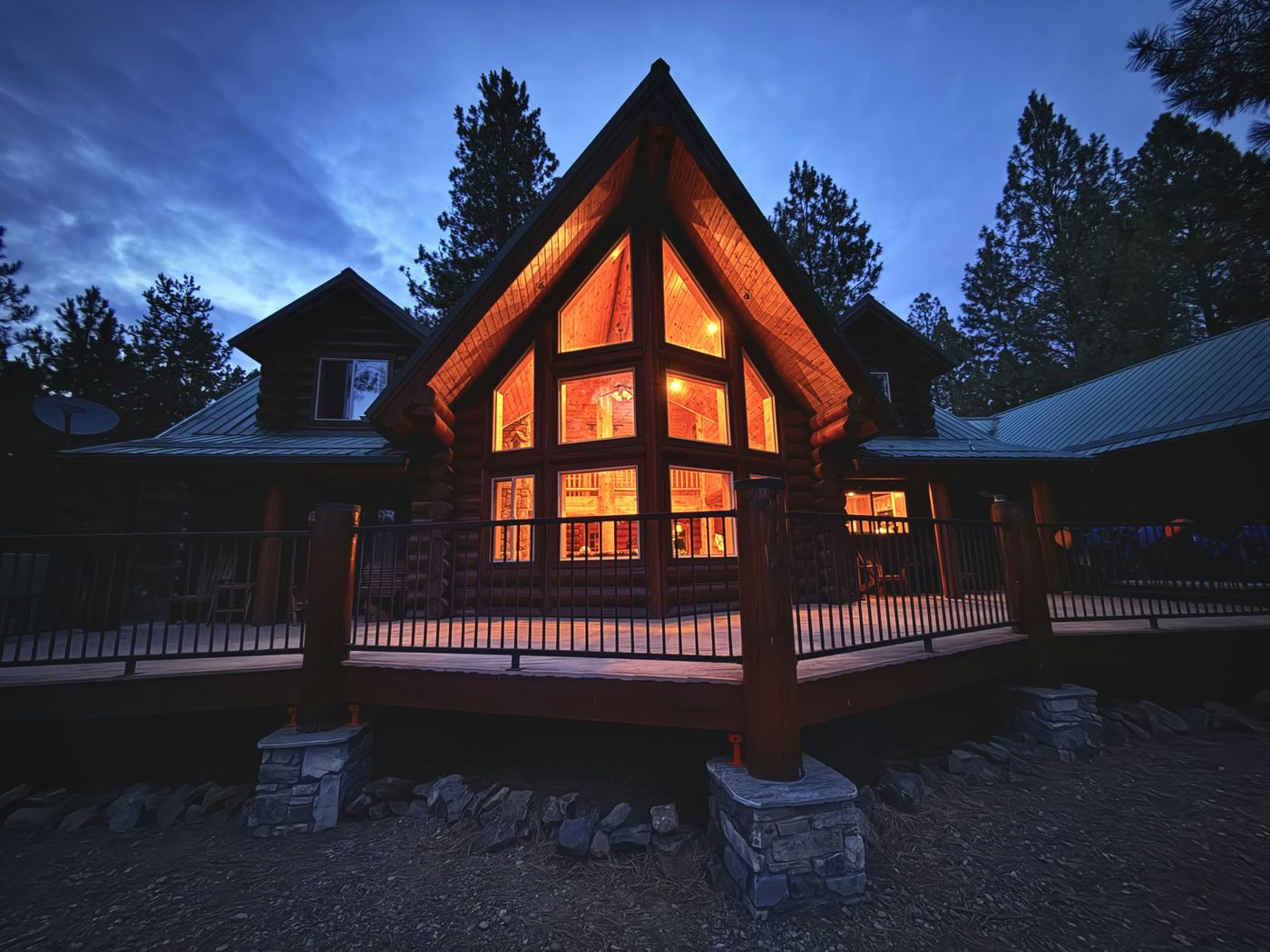
Log homes represent a unique blend of rustic beauty and natural living. But their exposed wood construction demands more attention than conventional homes. Every log is a living, breathing surface that responds to weather, insects, and UV exposure. Understanding log home maintenance helps you protect what is often both your largest investment and your dream home.
Unique Log Home Challenges
Log homes face challenges that conventional homes don't. Understanding these challenges explains why specialized maintenance is essential.
Massive Wood Exposure
A conventional home has wood framing hidden behind siding. A log home's structure IS the siding—thousands of square feet of exposed wood facing the elements. Every inch requires protection.
Horizontal Surfaces
Round logs create horizontal shelves where water sits. Unlike vertical siding that sheds water quickly, log profiles hold moisture on upper surfaces, accelerating finish breakdown and potential rot.
Settling and Movement
Log homes settle and shift more than conventional construction, especially in the first few years. This movement opens gaps in chinking and caulking, creating entry points for moisture and insects.
Insect Vulnerability
Carpenter bees, powder post beetles, and other wood-boring insects are attracted to log homes. Large exposed wood surfaces provide abundant habitat if not properly treated and sealed.
Annual Inspection Routine
Every log home owner should perform this inspection each spring and fall.
Walk the Perimeter
- Check south and west walls first—they receive the most weather damage
- Look for finish failure: fading, peeling, or bare wood
- Inspect chinking and caulking for gaps, cracks, or separation
- Look for dark streaks indicating moisture problems
- Check overhangs and trim for signs of water intrusion
Probe for Soft Spots
Use an awl or screwdriver to probe any suspicious areas. Focus on bottom logs, areas around windows and doors, and wherever you see discoloration. Sound wood resists penetration; soft wood indicates rot.
Check Drainage
Ensure gutters function properly and direct water away from walls. Verify ground slopes away from the foundation. Standing water near log walls is a recipe for accelerated deterioration.
Cleaning and Preparation
Regular cleaning prevents buildup that damages finish and wood.
Annual Cleaning
Use a log-specific cleaning solution applied with a pump sprayer. Work from bottom to top to prevent streaking. Soft brush scrubbing loosens embedded dirt. Rinse thoroughly from top to bottom with moderate pressure.
Mold and Mildew Treatment
Oxygen bleach solutions safely kill mold and mildew without damaging wood or finish. Apply, allow dwell time, scrub, and rinse. For persistent mold, professional treatment with specialized products may be necessary.
Staining and Sealing
The stain on your log home is its primary defense against the elements.
Product Selection
Use only products specifically formulated for log homes. These products provide: UV protection to prevent graying, water repellency, mildewcide to prevent fungal growth, flexibility to accommodate wood movement, and breathability to allow trapped moisture to escape.
Application Process
Professional log home staining involves thorough cleaning, complete drying (moisture content below 19%), careful masking of windows and trim, and systematic application ensuring complete coverage of all log surfaces including chink joints.
Chinking and Caulking
Chinking (the material between logs) and caulking are critical moisture and air barriers.
Why Maintenance Matters
As logs settle and move seasonally, chinking and caulking stretch and compress. Over time, adhesion can fail, creating gaps that allow moisture, air, and insects to enter. Regular inspection and repair prevents these gaps from causing interior damage.
Professional Repair
Chinking repair requires proper surface preparation, compatible products, and correct application technique. Applying new chinking over failed material doesn't solve the problem—it masks it. Professional restoration ensures proper adhesion and complete sealing.
Beaver Wood Restoration specializes in log home maintenance and restoration. Our team understands the unique requirements of log construction and delivers expert care that protects your investment. Contact us for a thorough log home assessment.
Frequently Asked Questions
How often should a log home be restained?
Most log homes need restaining every 3-5 years on walls, and every 2-3 years on south and west-facing surfaces that receive more sun and weather exposure. Regular inspection helps you time this correctly.
What causes dark stains on log walls?
Dark streaks usually indicate mildew, tannin bleed, or iron staining from metal fasteners. Each has a different treatment. Professional assessment identifies the cause and applies the correct remedy.
Can rotted logs be repaired without replacement?
Minor rot can be treated with wood hardener and epoxy filler. Significant rot may require log replacement or partial log face restoration. Early detection is key—the sooner rot is addressed, the simpler the repair.
Is log home maintenance more expensive than regular homes?
Log home maintenance does cost more due to specialized products and techniques. However, proper maintenance preserves a home that typically appreciates in value. Professional log home restoration projects generally start from $3,500 depending on size and condition.
Get Your Free Quote
Tell us about your project — we get back within 1 business day with honest pricing.