
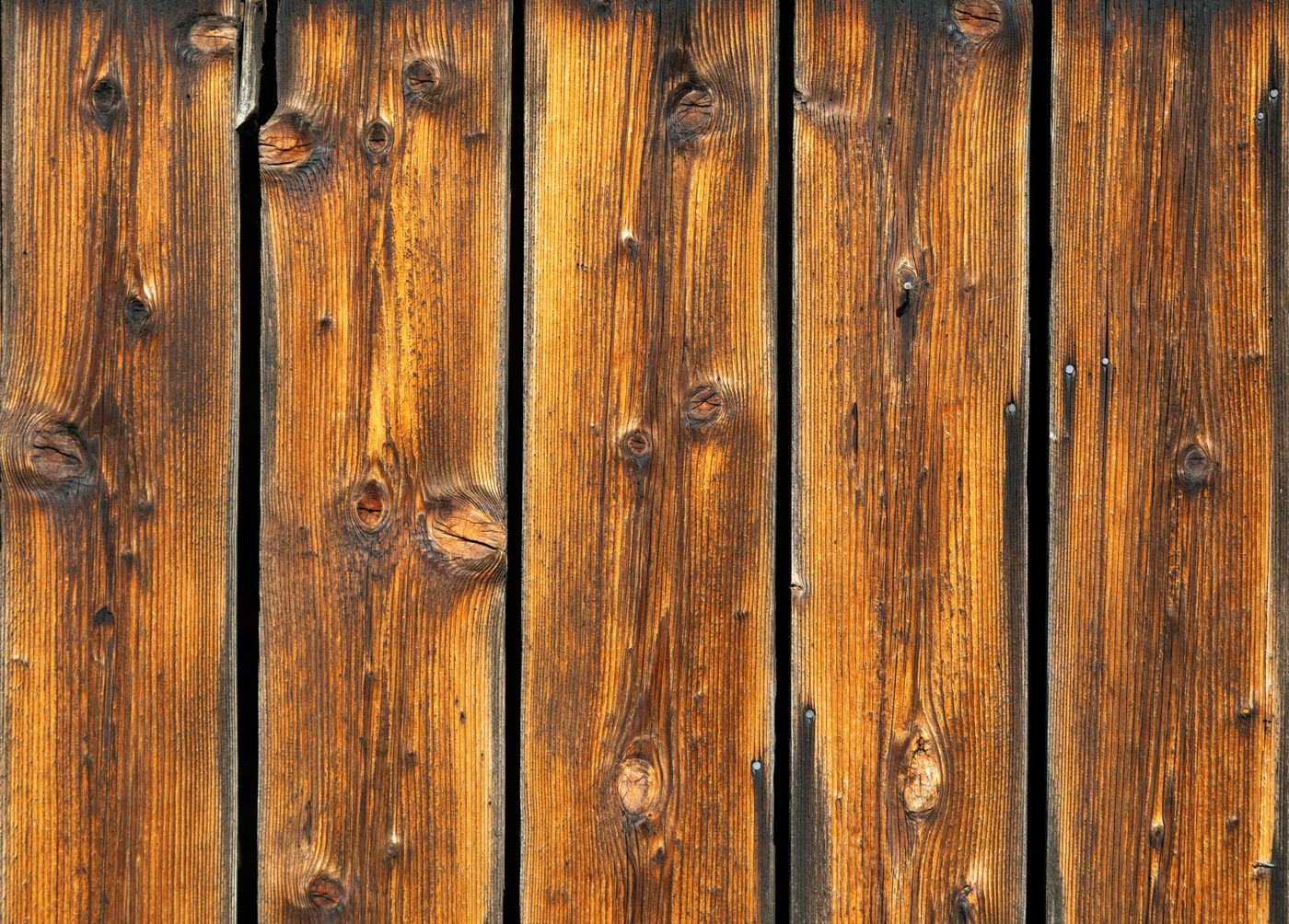
You invested in a beautiful wood fence for privacy, security, and curb appeal. Now you're noticing soft spots, discoloration, and boards that feel spongy. Fence rot is one of the most common—and most preventable—problems homeowners face. Understanding why it happens is the first step to stopping it.
The Root Causes of Fence Rot
Fence rot isn't random bad luck—it has specific, identifiable causes that can be addressed.
Moisture + No Airflow = Rot
Wood rot requires three conditions: moisture, oxygen, and fungal spores. Since spores are everywhere and oxygen is unavoidable, moisture control is your primary defense. When wood stays wet without adequate airflow to dry, fungi colonize and begin breaking down wood fibers.
Ground Contact
The number one cause of fence rot is wood in direct contact with soil. Soil holds moisture against wood constantly, creating ideal conditions for decay fungi. Even pressure-treated wood deteriorates faster at ground level than anywhere else on the fence.
Lack of Finish Protection
Unfinished wood absorbs rain, dew, and humidity like a sponge. Without a sealer or stain to repel water, every rain event saturates your fence. Over time, this constant moisture cycling breaks down wood fibers and invites fungal growth.
Vegetation Contact
Shrubs, vines, and grass growing against your fence trap moisture and block airflow. This creates a permanently damp microclimate that accelerates rot. Even decorative climbing plants damage fences over time.
Most Vulnerable Areas
Knowing where rot starts helps you catch it early.
Post Bases
Where posts meet the ground is the most common failure point. Moisture wicks up from soil into the post, rotting it from the inside out. By the time you notice soft or wobbly posts, significant damage has occurred.
Board Bottoms
The bottom edges of fence boards, especially those near ground level, are in constant contact with splash-back moisture. Grass and weeds growing up against boards hold additional moisture. These areas often rot while upper portions remain sound.
Horizontal Surfaces
Top rails, caps, and any flat surfaces collect and hold water. Without proper drainage or protection, these areas deteriorate faster than vertical surfaces where water runs off naturally.
Prevention Strategies
Most fence rot is preventable with proper techniques and maintenance.
Proper Installation
- Set posts in concrete with the top slightly crowned to shed water
- Leave 2-3 inches of clearance between bottom boards and ground
- Use post caps to protect end grain on top
- Install gravel backfill around posts for drainage
Regular Sealing and Staining
A professional stain or sealer application every 2-3 years creates a moisture barrier that dramatically extends fence life. Pay extra attention to end grain, bottom edges, and post bases. Professional fence restoration typically starts from $1,900 and protects your entire investment.
Vegetation Management
Maintain a 6-12 inch clear zone along both sides of your fence. Trim back shrubs, pull weeds, and prevent grass from growing against boards. This simple step allows airflow that keeps wood dry and rot-free.
When to Restore vs. Replace
Not every rotted fence needs replacement. Professional assessment determines the best path forward.
Restore When
Rot is localized to a few boards or post bases. The majority of the fence is structurally sound. Surface weathering is the primary issue. Restoration typically costs a fraction of replacement and extends fence life by 5-10+ years.
Replace When
Rot is widespread across many boards and multiple posts. The fence leans significantly due to structural failure. More than 30-40% of boards need replacement. At this point, new construction is more cost-effective.
Beaver Wood Restoration offers honest assessments and professional fence restoration. Contact us to evaluate your fence and get a plan that makes sense for your situation.
Rot Triage: Symptom, Cause, Action
Most fence rot falls into one of five patterns, and the right response is different for each. Use this to work out what you are actually looking at before spending money on it:
| What you see | Underlying cause | What it needs |
|---|---|---|
| Soft, spongy post at ground level; fence leans | Ground contact holding moisture against end grain | Structural — post replacement or sistering |
| Dark, damp lower boards; wood crumbles when probed | Soil or mulch banked against the boards, no clearance | Board replacement plus regrading the soil line |
| Green or black film, slick when wet, shaded side only | Algae and mildew on persistently damp wood | Clean, brighten, then a mildewcide-fortified finish |
| Grey, fuzzy, splintering surface across the whole fence | UV degradation with no film left to protect the wood | Cosmetic — clean, light sand, refinish |
| Black streaks radiating from every fastener | Corroding nails or screws reacting with wood tannins | Fastener replacement before refinishing |
The distinction that matters most is the first row versus the last two. Grey, splintering boards look alarming but are almost always cosmetic, and a fence in that state usually restores beautifully. A soft post at grade is structural, and no amount of stain fixes it. Our rot and structural safety inspection method works just as well on fence posts as on deck posts — press a flat-head screwdriver into the wood at ground level and see whether it resists or sinks.
If the structure is sound, restoration is dramatically cheaper than replacement. We break the numbers down in fence staining versus replacement, and our fence staining and privacy fence refinishing services both carry a 3-year written warranty on workmanship. Assessments are free and done on site, because the difference between cosmetic and structural is not something anyone can judge from a photo.
Frequently Asked Questions
How long should a wood fence last?
A properly maintained cedar fence should last 20-30 years. Pressure-treated pine can last 15-20 years. Without maintenance, these lifespans can drop to 8-12 years. Regular sealing and staining are the biggest factors.
Does painting a fence prevent rot?
Paint provides a moisture barrier but can actually trap existing moisture inside, accelerating hidden rot. Penetrating stains and sealers are generally better for fences because they protect while allowing the wood to breathe.
Can I treat fence posts after installation?
You can apply post preservative to the exposed portion of installed posts. For below-grade protection, copper naphthenate can be brushed on accessible areas. However, pre-treatment before installation is far more effective.
Is fence rot contagious—will it spread to good boards?
Fungal rot can spread from affected boards to adjacent healthy wood, especially in damp conditions. Removing rotted boards promptly and treating surrounding wood with fungicide prevents spread.
Get Your Free Quote
Tell us about your project — we get back within 1 business day with honest pricing.