
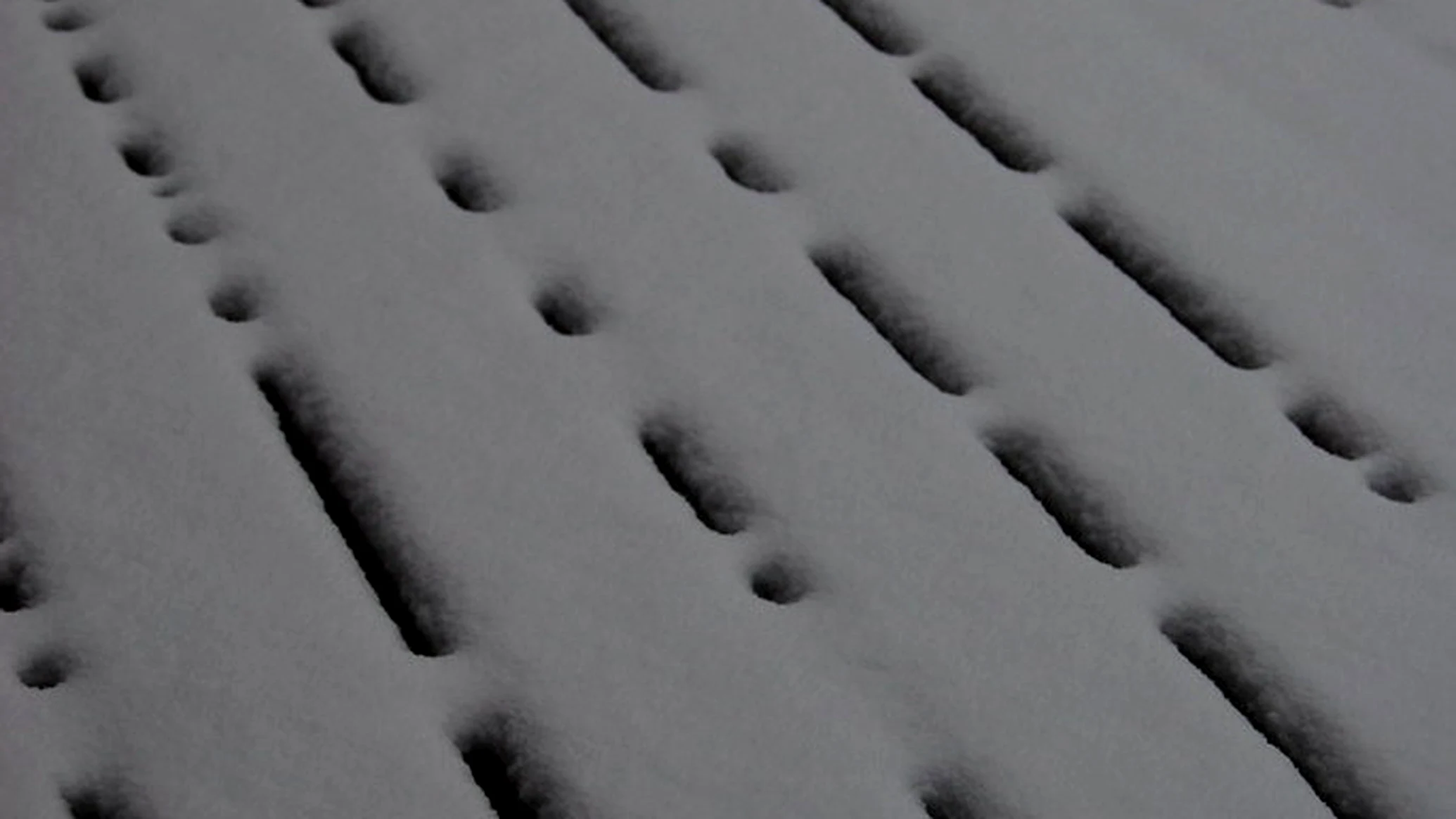
Every Ontario winter presents the same conflict: wooden steps get icy, ice is genuinely dangerous, and the bag of rock salt in the garage solves that problem in about a minute. It also quietly damages the stairs. Salt does not burn wood the way it corrodes concrete, so the harm is easy to miss until spring, when the treads come out of the snow looking grey and fuzzy with white crust in the grain and black rings around every screw. This guide explains what salt actually does to wood and fasteners, compares the common de-icers on the shelf, and covers how to keep your stairs safe in January without paying for it in April.
Quick Answer: Does Road Salt Damage Wood Decks?
Yes — though not in the way most people picture. Salt does not dissolve wood. It damages it in three indirect ways: it is hygroscopic, meaning it pulls moisture out of the air and holds it against the boards long after the snow is gone; it crystallizes inside the wood surface, and those growing crystals exert pressure that lifts and separates surface fibres; and it accelerates corrosion of every fastener and connector it reaches.
The visible result by spring is grey, fuzzy, raised grain on treads, white crusting in the grain lines, and dark halos around screws. The invisible result is fasteners that have lost material inside the wood, which is a structural issue rather than a cosmetic one.
How Salt Damages Wood
Wood damage from de-icing salt is mostly a moisture story. A salted tread stays damp far longer than an unsalted one, because dissolved salt lowers the freezing point and draws humidity from the air. Instead of freezing solid and staying frozen, or drying out between storms, the surface goes through repeated wet-dry and freeze-thaw cycling all winter. That cycling is what breaks down the surface fibres — the same mechanism that greys an unprotected deck over a summer, running at higher intensity.
The second mechanism is mechanical. Salt solution soaks into the top layer of the wood, and when that solution dries the salt recrystallizes. Crystal growth inside a confined space exerts real pressure, and in soft woods like cedar and pressure-treated pine that pressure lifts fibres away from the surface. It is the same process that spalls concrete, at a smaller scale.
Any finish takes the punishment first. A penetrating stain in good condition limits how much salt solution gets in and buys you a season, which is why a properly maintained deck weathers winter far better than a bare one — but no finish makes salt harmless.
The Fastener Problem
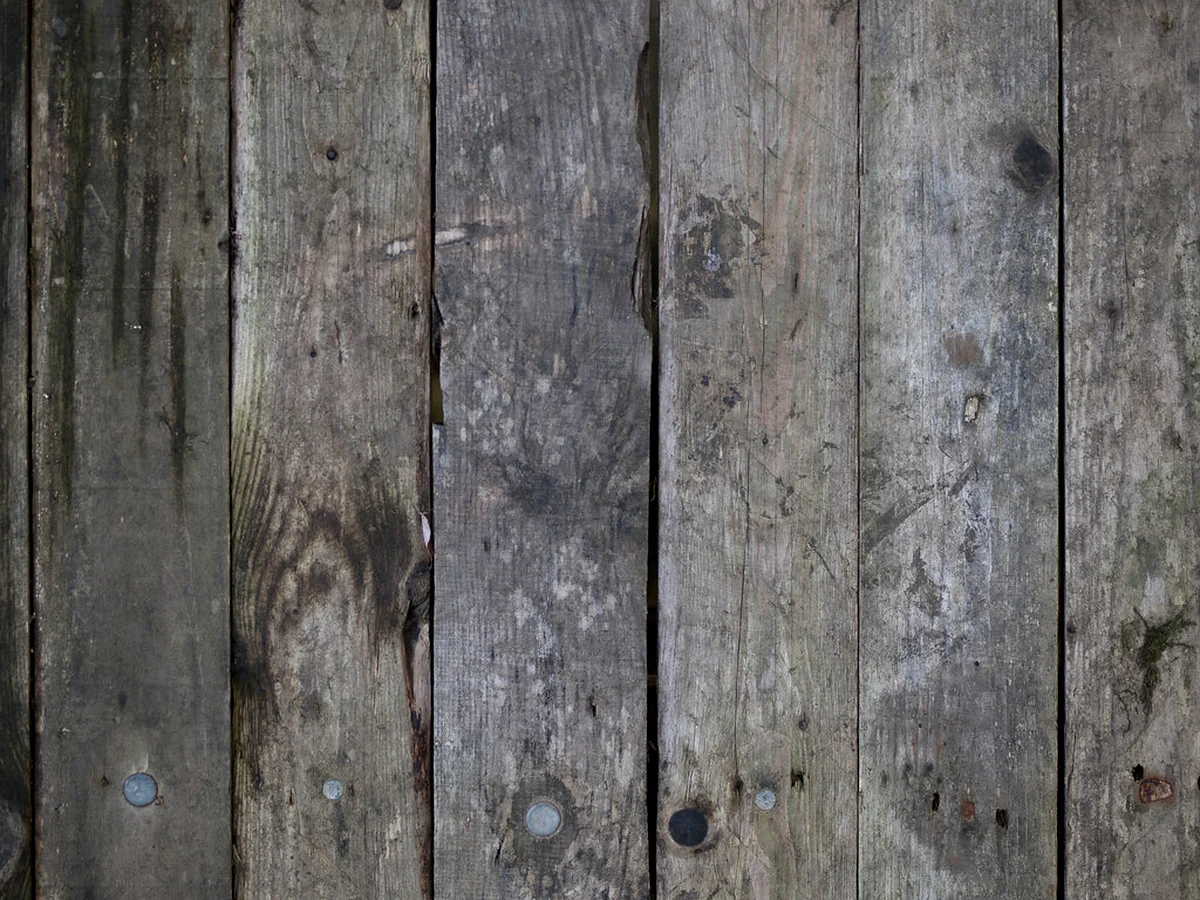
This is the part homeowners consistently underestimate. Salt solution wicks into the small gap around every screw and nail and sits there, and chloride is aggressive toward metal. Corrosion then works from inside the board where nothing is visible.
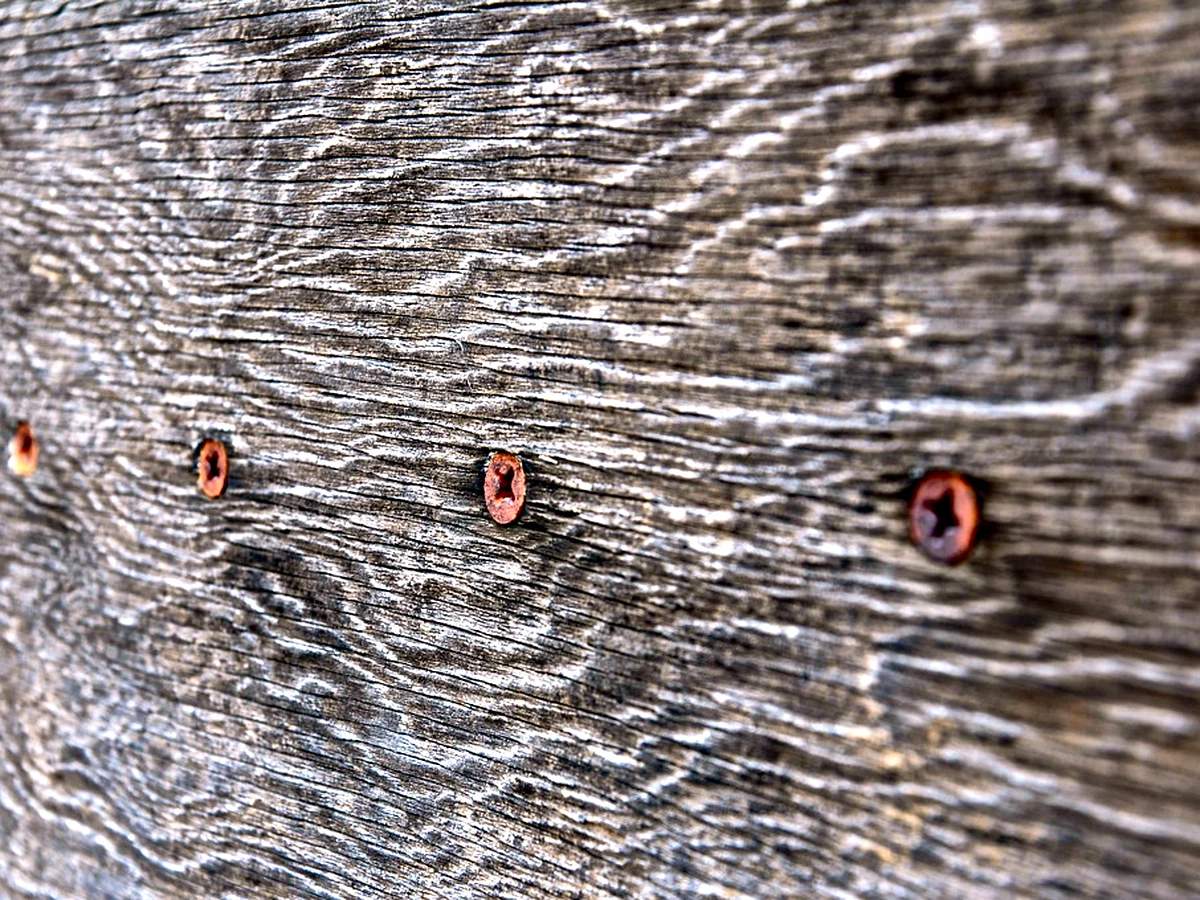
The telltale sign is a dark stain spreading out from a fastener head. On cedar and other tannin-rich woods, corroding metal reacts with the wood tannins and produces a black or blue-black halo. Homeowners often read that as a finish problem and try to sand or stain over it, but the stain is a symptom — the metal underneath is deteriorating.
Over years this matters on stairs specifically, because stairs are simultaneously the most salted part of the deck and the most safety-critical. A tread fastener that has lost half its cross-section will still look fine from above right up until it fails. This is one of the checks in our deck rot and safety inspection checklist, and it is worth doing every spring on any deck that gets salted.
De-Icer Comparison
Not everything sold as ice melt behaves the same way on wood. The practical differences:
| Product | Works down to | Effect on wood and fasteners |
|---|---|---|
| Rock salt (sodium chloride) | About −9°C | Hardest on wood and most corrosive to fasteners; cheapest and most common |
| Calcium chloride | About −25°C | Works in deeper cold but holds moisture aggressively and remains corrosive |
| Magnesium chloride | About −15°C | Somewhat gentler than rock salt, still a chloride — still corrodes metal |
| Calcium magnesium acetate (CMA) | About −5°C | Chloride-free and the least damaging option; costs more, weaker in deep cold |
| Sand or grit (no melting) | Any temperature | No chemical damage at all; provides traction only, does not melt ice |
The honest summary: every chloride-based product corrodes fasteners, and the ones that work in the deepest cold are generally the ones that hold the most moisture against your boards. CMA is the gentlest chemical option but gives up performance below roughly −5°C, which in an Ontario January is a real limitation.
What Salt Damage Looks Like
Come spring, walk the stairs and any salted landing and look for:
- White crusting in the grain lines and along board edges after the wood dries — undissolved salt left behind.
- Fuzzy, raised grain that feels rough underfoot and catches a sock. This is separated surface fibre.
- Localized greying confined to the salted zone while adjacent, unsalted boards still hold colour — the clearest proof salt caused it.
- Black rings or streaks around fasteners, indicating corrosion and tannin reaction.
- Finish failure in patches on treads and the first metre of the landing, while the rest of the deck looks acceptable.
The giveaway in all of this is the pattern. Ordinary weathering is even across a whole surface. Salt damage is concentrated exactly where you walked and salted, and stops where the salting stopped.
A Safer Winter Approach
Nobody should trade a broken hip for a nicer deck, so the goal is managing the damage rather than eliminating de-icing:
- Clear snow before it compacts. Most salt gets used because snow was left to pack down and freeze. A plastic shovel used promptly removes the need for most of it. Avoid metal-edged shovels on wood.
- Use sand or grit for traction where you can. On stairs, traction is usually what you actually need, not melting.
- If you must use a de-icer, use less than you think. Ice melt works by concentration; a thin, even scatter does the job while a heavy pour just leaves more salt behind.
- Choose CMA for wood surfaces in moderate cold, and keep chlorides for the driveway.
- Consider a stair runner or outdoor mat on the main path. It takes the traffic and the salt instead of the wood.
- Go into winter with the finish intact. A deck recoated before freeze-up absorbs far less salt solution than a bare one, which is a large part of why we recommend the autumn window in our fall deck maintenance guide.
Undoing a Winter of Salt
Salt residue does not simply weather away — it needs to be rinsed out of the wood, and the sooner the better. In spring, wash the salted areas thoroughly with plenty of clean water to dissolve and carry away what is left in the grain. For a deck that took a heavy season, a proper wood cleaning with a wood-safe cleaner and brightener lifts the residue, neutralizes the surface, and knocks back the raised grey fibre so the wood can take a finish again.
Where the grain has gone genuinely fuzzy, cleaning alone will not restore a smooth surface — those separated fibres need to be sanded off, after which the area should be re-coated to match the rest of the deck. Because salt damage is concentrated on stairs and landings, this is often a small, targeted job rather than a full deck refinish, provided it is caught in the first spring rather than the third.
Then check the fasteners while you are down there. Black halos or visible corrosion on stair treads are worth replacing proactively, and we handle that as part of deck repair work across the GTA. Our assessments are free and on site, and restoration work carries our 3-year written warranty.
Frequently Asked Questions
Does road salt damage wood decks?
Yes. Salt does not dissolve wood, but it damages it three ways: it is hygroscopic and holds moisture against the boards long after the snow melts, extending wet-dry and freeze-thaw cycling; it recrystallizes inside the wood surface and the growing crystals lift and separate surface fibres, leaving grain fuzzy and grey; and it corrodes screws, nails, and connectors from inside the board. The damage shows up in spring as raised grey grain, white crusting in the grain, and dark halos around fasteners.
What is the safest ice melt for a wood deck?
Calcium magnesium acetate, usually sold as CMA, is the gentlest widely available option because it contains no chloride and so does not corrode fasteners the way rock salt, calcium chloride, and magnesium chloride do. Its limitation is performance: it works to roughly minus 5 degrees Celsius and struggles in deeper cold. Plain sand or grit causes no chemical damage at all, but provides traction only and does not melt ice.
Can salt damage be repaired on a deck?
Usually, yes. Start by rinsing the affected area thoroughly with clean water in spring to dissolve and carry away the residue, since salt does not simply weather off. A wood cleaner and brightener then lifts what remains and neutralizes the surface. Where the grain has gone genuinely fuzzy, the separated fibres have to be sanded off before re-coating. Because damage concentrates on stairs and landings, repairs are often targeted rather than a full deck refinish, if caught in the first spring.
Why are there black stains around the screws on my deck stairs?
That is almost always fastener corrosion reacting with tannins in the wood. Salt solution wicks into the small gap around each screw and sits there, chloride attacks the metal, and the corrosion products react with natural tannins in cedar and other woods to produce a black or blue-black halo. The stain is a symptom, not the problem — the fastener underneath is losing material where you cannot see it, which matters most on stair treads.
Should I stain my deck before winter to protect against salt?
It genuinely helps. A penetrating finish in good condition limits how much salt solution soaks into the surface, so a deck that goes into winter properly coated comes out in far better shape than a bare one. It is not immunity — no finish makes salt harmless, and stairs still take concentrated exposure — but recoating in the autumn window before freeze-up is one of the more effective things you can do for a deck that gets salted every year.
Get Your Free Quote
Tell us about your project — we get back within 1 business day with honest pricing.