
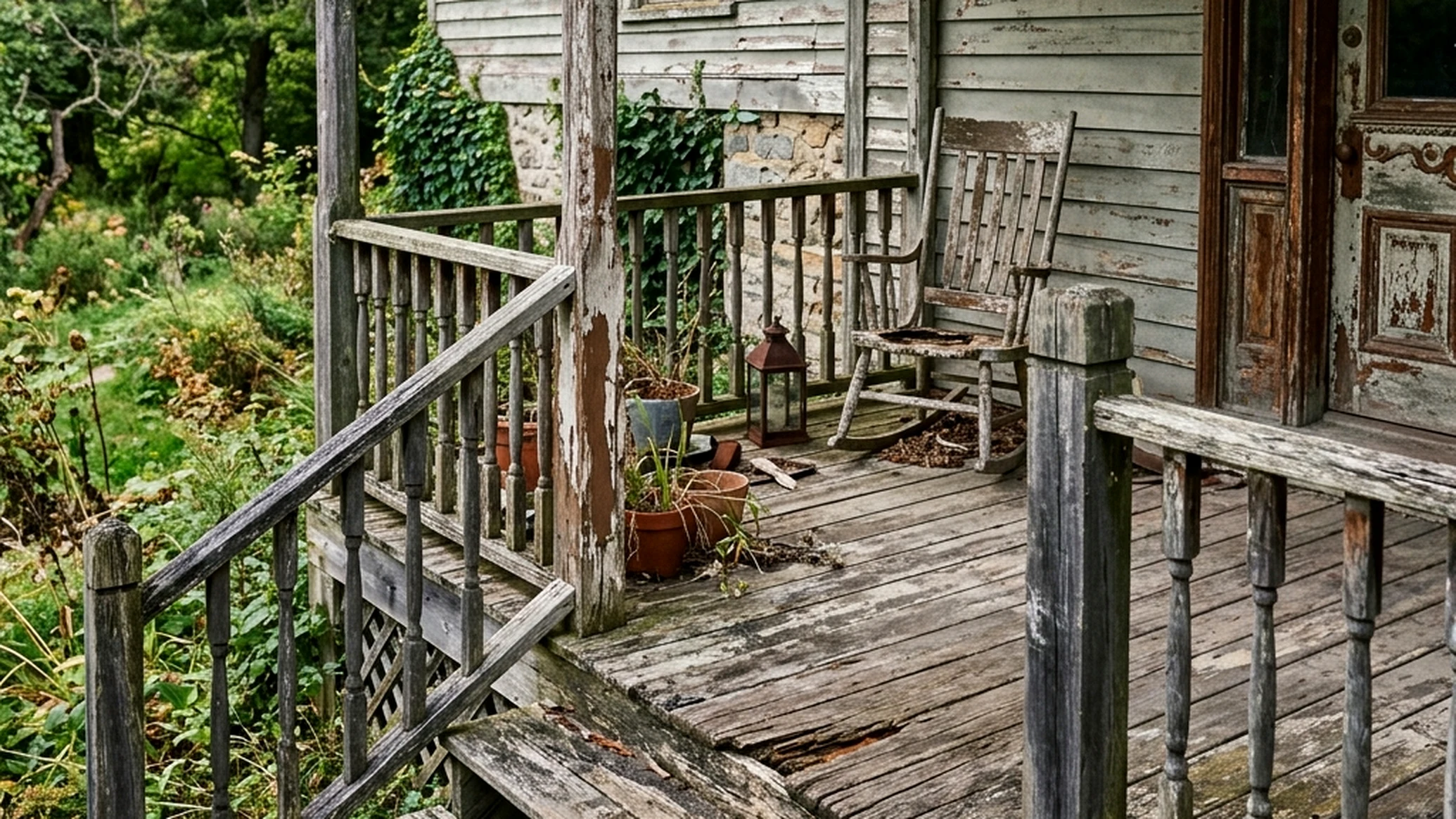
Aurora presents a problem that most GTA municipalities do not. The town sits on the elevated ground of the Oak Ridges Moraine, and elevation buys you sharper temperature swings — colder overnight lows, faster daytime warming, and a harder freeze-thaw cycle through the shoulder seasons. Wood responds to that by moving, continuously, more than it does closer to the lake. Any finish that cannot move with it cracks. Layer on two distinct housing stocks — century properties along the Yonge Street and Wellington corridors with decades-old cedar, and newer Bayview Wellington subdivisions where builder-grade sealant was applied to lumber that was never ready — and you get the two restoration problems that account for most of the work we do in Aurora.
Quick Answer: The Moraine Effect on Aurora Decks
Aurora sits on elevated ground on the Oak Ridges Moraine, and higher elevation away from the moderating influence of Lake Ontario means wider temperature swings — both day to night and across the shoulder seasons. Wood expands and contracts with every one of those swings.
The practical consequences are three: rigid film-forming coatings crack and peel faster here than they do closer to the lake; older cedar that has gone years without a proper finish becomes genuinely dried out and needs conditioning before it will take stain evenly; and builder-applied sealant on newer subdivision decks tends to fail within two or three seasons rather than lasting. All three call for a flexible, deep-penetrating finish rather than a surface film.
Why Wood Moves More Up Here
Wood is hygroscopic — it takes on and gives off moisture with the air around it, and it changes dimension as it does. It also expands and contracts with temperature directly. Both effects are driven by how much and how fast conditions change.
Large bodies of water moderate temperature, which is why lakeside Oakville and the Toronto waterfront have milder overnight lows and gentler daily swings than inland communities at higher elevation. Aurora gets the opposite: clear nights on the moraine cool off quickly, spring and autumn days can swing sharply from morning to afternoon, and the freeze-thaw transitions come more often and cut harder.
A deck board here is therefore in near-constant, low-level motion. That is not a defect. It is what wood does. The mistake is choosing a finish that assumes it will hold still.
Why Rigid Finishes Crack
A film-forming coating — a solid stain, a deck paint, some sealers — cures into a continuous layer sitting on top of the wood. That layer has its own mechanical properties, and they are not the wood's. When the board underneath expands and the film cannot stretch to match, stress builds until the film cracks.
Once it cracks, the failure accelerates. Water enters through the cracks, gets under the film, and cannot evaporate back out through a coating designed to be a moisture barrier. It pushes the film off from beneath, which is why failed solid stains peel in sheets rather than fading gently. Underneath, the trapped moisture is doing the wood no favours either.
A penetrating finish behaves differently because it is not a layer. It cures inside the wood fibre, so when the board moves the finish moves with it — there is nothing to crack. It wears by thinning and fading rather than peeling, which also means recoating is a clean-and-coat rather than a strip. On the moraine, where movement is the defining condition, that difference decides whether you are recoating a deck or restoring it. Our breakdown of penetrating versus film-forming finishes covers the full lifespan math.
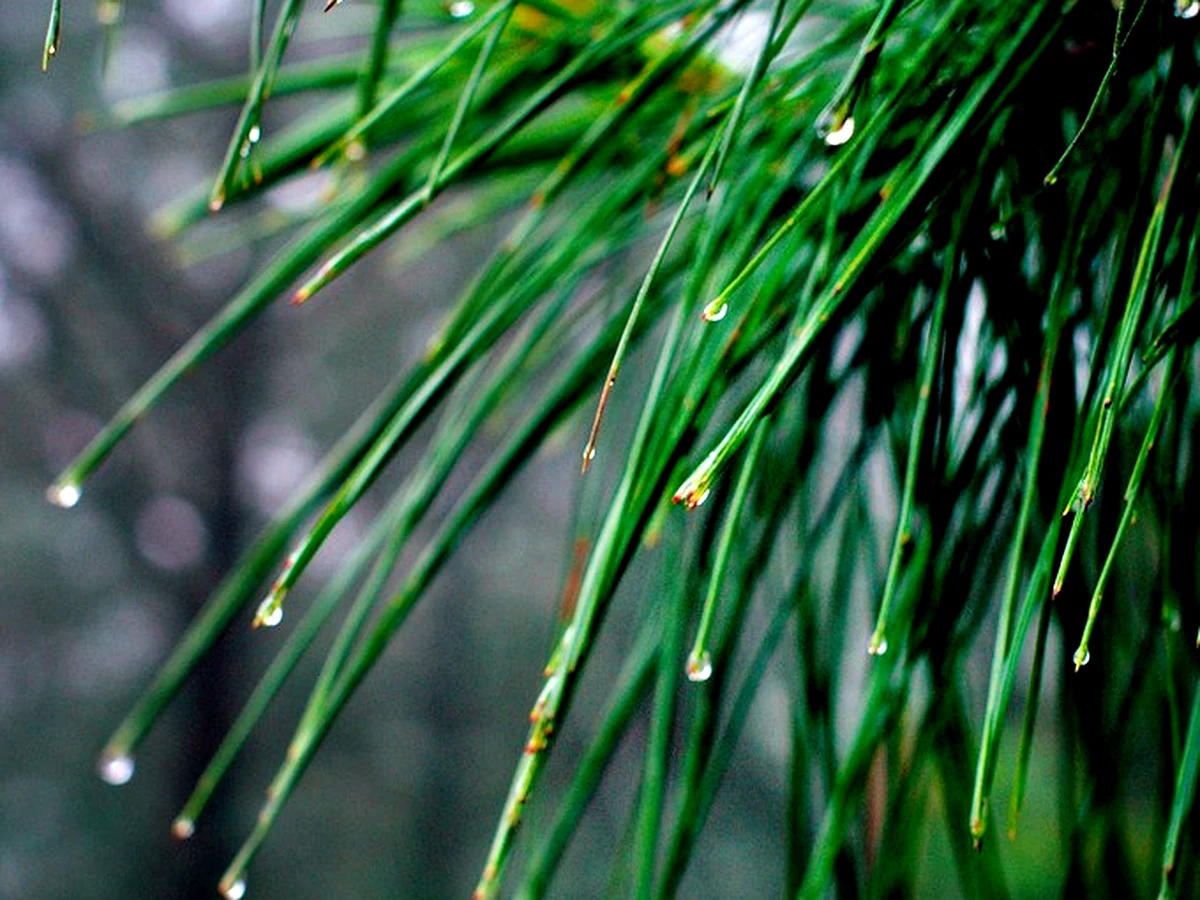
Heritage Cedar on the Yonge Corridor
Aurora's historic core along Yonge Street and through the Wellington district has century properties with original cedar porches, railings, and decks. Much of that wood has been through decades of moraine weather, and a good portion of it has spent long stretches without an adequate finish.
Wood in that condition is not simply faded. The surface fibres have degraded under UV, the grain has opened from repeated freeze-thaw, and the wood is dry in a way that changes how it accepts stain — it will drink product unevenly, drawing heavily into open, thirsty areas and barely at all where old finish residue remains. Staining straight onto it produces a blotchy result that looks worse than the bare wood did.
The correct sequence on heritage cedar is to clean and neutralize first, sand back the degraded surface layer to reach sound fibre, and condition the wood so it accepts finish at a consistent rate before any colour goes on. It is slower, and it is the difference between a restoration that reads as authentic and one that looks painted on. For properties with heritage designation there can also be constraints on what may be done to visible exterior elements, which is worth confirming before work begins.
Builder-Grade Failures in Newer Aurora
The other half of the work is in Bayview Wellington and Aurora's newer subdivisions, and it is a different story with the same ending. Decks there are usually pressure-treated, built with the house, and given a coat of whatever sealant the builder had on hand — frequently applied to lumber that had not dried enough to accept it.
That combination — a low-grade product, often a film-former, applied to wood that was too wet, in a climate that moves wood hard — fails on a predictable schedule. Homeowners typically see it in year two or three: patchy peeling, colour that has gone chalky, bare spots on the traffic path, and water no longer beading anywhere.
The fix is not another coat over the top. The failed coating has to come off, because anything applied over a peeling film peels with it. Once the deck is back to sound wood and properly prepped, a penetrating finish specified for this climate delivers a genuinely different service life. If your deck is newer and you are unsure whether it was ever ready for its first coat, our guide to when new pressure-treated wood is ready to stain explains the test.
What Actually Works on the Moraine
| Heritage cedar (Yonge, Wellington) | Newer builds (Bayview Wellington) | |
|---|---|---|
| Typical condition | Dried out, degraded surface, patchy old finish | Peeling builder sealant, chalky colour, bare traffic paths |
| Critical prep | Sand to sound fibre, condition before colour | Full removal of the failed film |
| Finish choice | Flexible penetrating oil, colour matched to period | Flexible penetrating oil, higher pigment for open sun |
| Main risk if rushed | Blotchy uneven absorption | New coat peels with the old film underneath |
Timing matters more in Aurora than in the city. Cooler overnight lows on the moraine mean the workable window opens later in spring and closes earlier in autumn, and a finish needs the surface to stay in range while it cures, not merely at the moment it is applied. We schedule Aurora projects with that in mind rather than working to the calendar that suits downtown Toronto.
What It Costs
Aurora deck staining runs $3 to $6 per square foot, consistent with the rest of the GTA. A standard 300 to 400 square foot deck runs roughly $1,500 to $2,700; a 500 to 700 square foot deck with railings and a staircase runs $2,900 to $5,400.
The variable is prep, and in Aurora it is usually significant. Stripping a failed builder-grade or solid finish adds $1,500 to $4,000 depending on deck size and how stubbornly the old coating holds on. Heritage cedar that needs sanding to sound fibre and conditioning before colour is real labour and is quoted accordingly. This is the main reason we assess on site and never quote over the phone — the condition of what is already on the wood drives the price far more than the square footage does.
We serve Aurora and the surrounding moraine communities. Every staining and refinishing project uses contractor-grade Expert Stain & Seal product, is brushed and back-rolled with two coats minimum on horizontal surfaces, and carries our 3-year written warranty.
Frequently Asked Questions
Why does deck stain fail faster in Aurora than in Toronto?
Aurora sits on the elevated ground of the Oak Ridges Moraine, away from the moderating effect of Lake Ontario, so it experiences wider temperature swings both day to night and through the shoulder seasons. Wood expands and contracts with every swing, and rigid film-forming finishes cannot stretch to match that movement, so they crack and then peel as water gets underneath. Penetrating finishes that cure inside the wood fibre move with the board and hold up far better in this climate.
My Bayview Wellington deck is only three years old and already peeling. Why?
That is the most common newer-build problem in Aurora. Builder-applied sealant is usually an inexpensive product, often a film-former, and it is frequently applied to pressure-treated lumber that had not dried enough to absorb it. A coating that never bonded properly, on wood that moves hard through moraine temperature swings, typically fails in year two or three. The fix is removing the failed film completely rather than coating over it, since anything applied over a peeling layer peels with it.
Can heritage cedar in downtown Aurora be restored, or does it need replacing?
Cedar that is structurally sound can almost always be restored even when it looks badly weathered. The process is to clean and neutralize the wood, sand back the UV-degraded surface layer to reach sound fibre, and condition the wood so it absorbs finish evenly before any colour is applied. Skipping the conditioning step on dried-out heritage cedar produces blotchy results, because thirsty open areas drink product while spots with old finish residue reject it. Replacement is only necessary where there is structural decay.
When is the best time to stain a deck in Aurora?
The workable season on the moraine opens slightly later in spring and closes slightly earlier in autumn than it does in downtown Toronto, because cooler overnight lows at elevation matter. A finish needs the surface temperature to stay within the product range through the whole curing period, not just at the moment of application, so a warm afternoon followed by a near-freezing night is a poor day to coat regardless of how it felt at noon. Late spring through early autumn is the reliable window.
How much does deck restoration cost in Aurora?
Deck staining in Aurora runs $3 to $6 per square foot, with a standard 300 to 400 square foot deck around $1,500 to $2,700 and a 500 to 700 square foot deck with railings and a staircase around $2,900 to $5,400. Prep is the main variable: stripping a failed builder-grade or solid finish adds $1,500 to $4,000 depending on size and how stubborn the coating is, and heritage cedar needing sanding and conditioning is quoted on its own merits. Assessments are free and done on site.
Get Your Free Quote
Tell us about your project — we get back within 1 business day with honest pricing.